TydoPlay Asia's Best Games & Entertainment, US Style

TydoPlay

Asia's Best Games & Entertainment, US Style

Latest Articles

The Melody Behind the Menu Screen: How Asian Composers Soundtrack US Gaming
Game Music

The Melody Behind the Menu Screen: How Asian Composers Soundtrack US Gaming

From orchestral concert tours to Spotify playlists, Japanese, Korean, and Chinese composers have become a defining sound in US gaming. Their melodies are not just background music anymore. They are the reason some players pick up a game in the first place.

Paper Beats Download: The Asian Physical Editions US Collectors Keep Importing
Collectibles

Paper Beats Download: The Asian Physical Editions US Collectors Keep Importing

US collectors are paying import prices for Asian physical game releases that still include manuals, maps, postcards, and slipcases. The boxes are not just packaging. They are a rebuke to the $70 digital download that leaves you with nothing to hold.

After Midnight, Before the Jump Scare: How Asian Horror Became Twitch's Late-Night Habit
Gaming Culture

After Midnight, Before the Jump Scare: How Asian Horror Became Twitch's Late-Night Habit

US streamers are filling the 3 a.m. slot with small-budget Asian horror games set in apartments, convenience stores, and cursed camcorder footage. The scares are short, chat-friendly, and weirdly relatable, which is exactly why they keep beating bigger Western horror releases on Twitch.

Korea's Living Room, Rentable by the Hour: Why PC Bangs Are Outrunning US Esports Lounges
Esports

Korea's Living Room, Rentable by the Hour: Why PC Bangs Are Outrunning US Esports Lounges

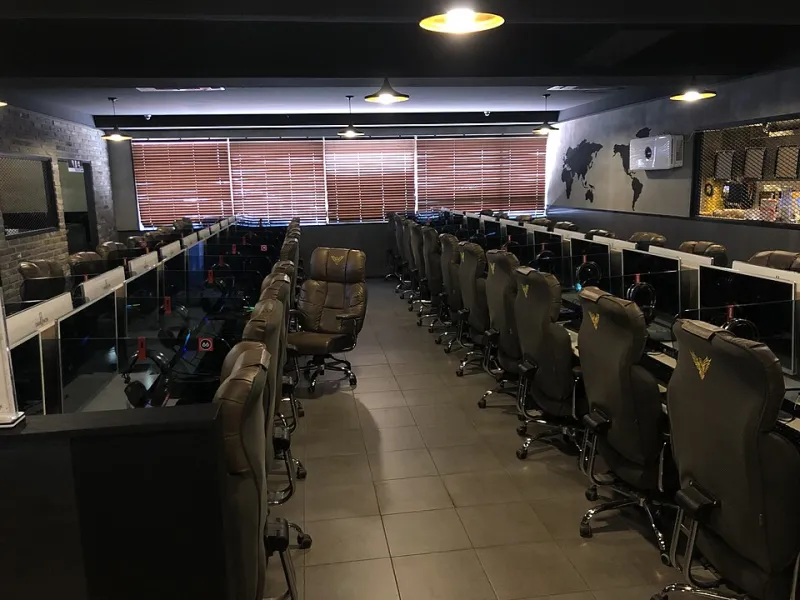
Korean-style PC bangs sell time, food, and a fast chair, not memberships and status. As US esports lounges struggle, the hourly model is finding a second life in Koreatowns, college towns, and suburban strip malls.

Shelf Candy: Why Asian Game Art Books Are the Display Piece US Collectors Keep Buying
Collectibles

Shelf Candy: Why Asian Game Art Books Are the Display Piece US Collectors Keep Buying

Limited-run art books and premium collector editions from Asian studios are becoming coffee-table status symbols in the US, even as game libraries go digital. The appeal is part packaging, part scarcity, and part shelf identity.

Reset at Midnight, Sleep at Dawn: The Time-Zone Tax Hitting US Players
Gaming Culture

Reset at Midnight, Sleep at Dawn: The Time-Zone Tax Hitting US Players

Daily resets and event rollovers built for Asian prime time are quietly rearranging the sleep schedules of dedicated US players. The calendar looks global on paper, but the alarm clock tells a different story.

Pocket Power: How Chinese and Asian Handheld Makers Took the Portable Gaming Crown Nobody Was Defending
Gaming Culture

Pocket Power: How Chinese and Asian Handheld Makers Took the Portable Gaming Crown Nobody Was Defending

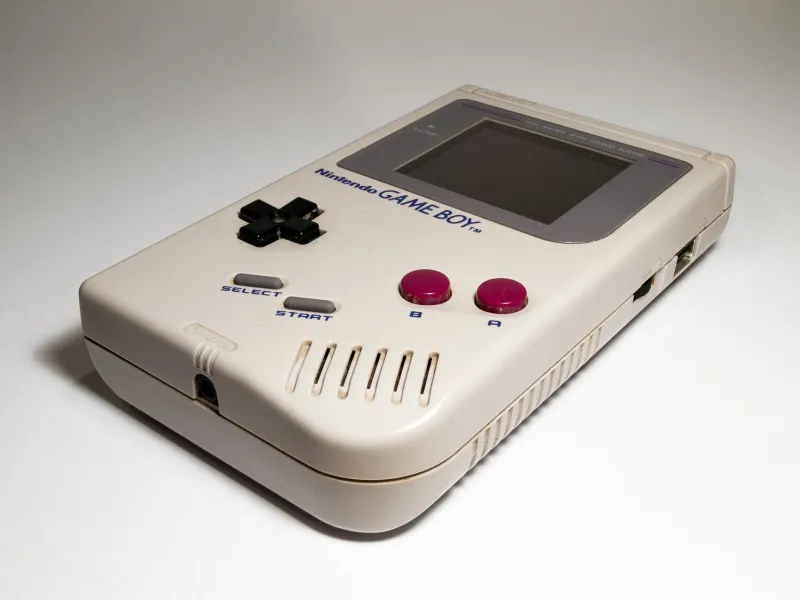
While Nintendo played it safe and Sony walked away entirely, a wave of Asian handheld manufacturers quietly flooded the US market with devices that do more for less. These aren't bootleg curiosities anymore — they're sitting on Best Buy shelves and outselling expectations. Here's how it happened without a single press conference.

Together Mode: How Asian Games Are Building Real Connection in an Era When US Gamers Have Never Felt More Alone
Gaming Culture

Together Mode: How Asian Games Are Building Real Connection in an Era When US Gamers Have Never Felt More Alone

Asian developers have been building games around companionship and belonging for years — and post-pandemic America is finally catching up to why that matters. These aren't just dating sims or social sandboxes. They're carefully designed spaces where loneliness becomes a starting point, not a flaw. And Western studios are only just beginning to understand what they've been missing.

Under the Algorithm: The Asian Games Your Favorite Streamers Can't Stop Playing (And How to Find Them First)
Esports

Under the Algorithm: The Asian Games Your Favorite Streamers Can't Stop Playing (And How to Find Them First)

The biggest streamers on Twitch aren't always playing the biggest games anymore. A growing wave of under-the-radar titles from South Korea, Taiwan, and China is quietly dominating watch time and building cult followings before a single ad dollar gets spent. We tracked the pattern — here's what's driving it and how to stay ahead of the curve.

Homework Who? How Asian Educational Games Are Making US Kids Actually Beg to Study
Gaming Culture

Homework Who? How Asian Educational Games Are Making US Kids Actually Beg to Study

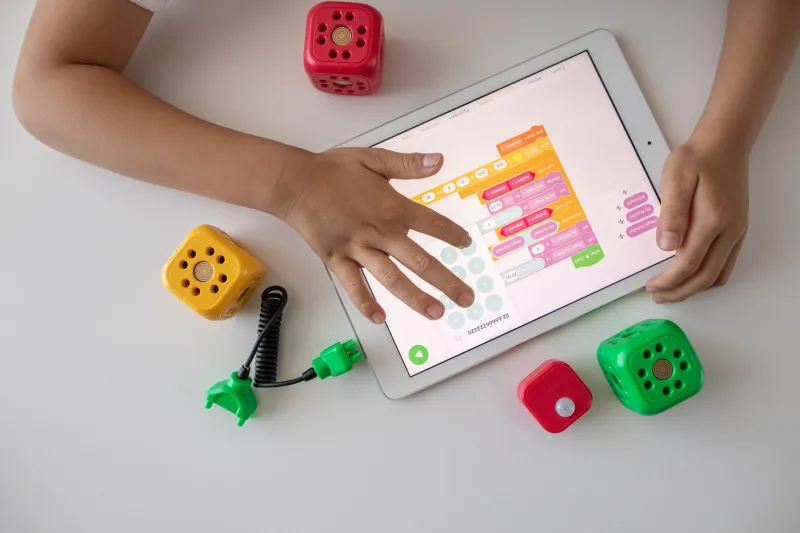
Asian game developers figured out something Western edtech companies still can't grasp: learning only works when kids don't realize they're doing it. From Tokyo-designed math puzzlers to Seoul-built language apps that feel like RPGs, a quiet revolution is happening in American classrooms and living rooms alike.

Quarters Optional: How Asian Arcade Hardware Is Turning US Living Rooms Into the Hangout Spot Everyone Actually Wants to Visit
Gaming Culture

Quarters Optional: How Asian Arcade Hardware Is Turning US Living Rooms Into the Hangout Spot Everyone Actually Wants to Visit

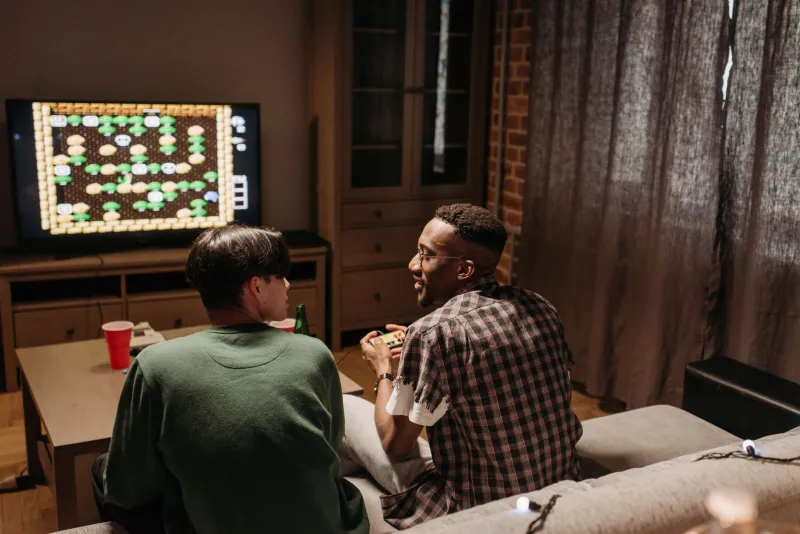
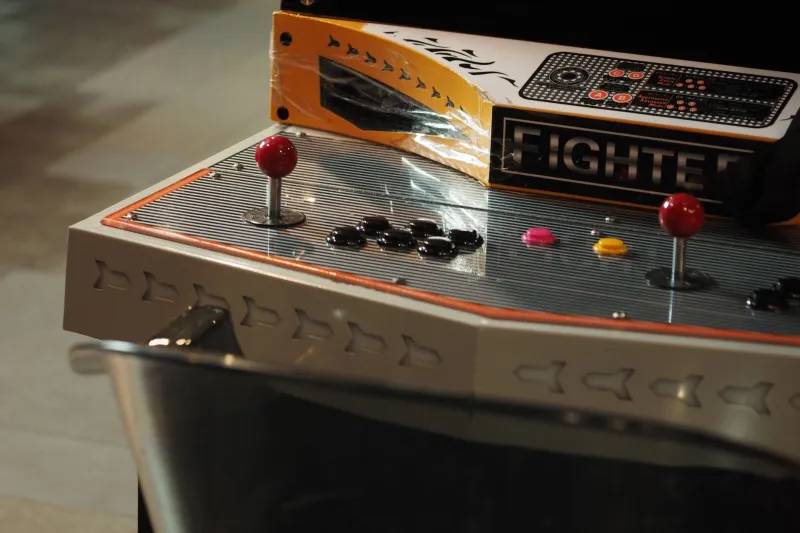
Forget the bar. Forget the gaming lounge. The hottest social space in America right now might be your neighbor's basement, stocked with imported Japanese candy cabinets, Korean fight sticks, and a retro collection that puts any Dave & Buster's to shame. The Asian arcade-at-home movement is real, it's growing fast, and it's scratching an itch that digital gaming never quite reached.

The Copycat Premium: How Western AAA Studios Are Reselling Asian Game Design as Bold Innovation
Esports

The Copycat Premium: How Western AAA Studios Are Reselling Asian Game Design as Bold Innovation

Battle passes, seasonal content, character-driven live service models — Western publishers are charging $70 for ideas that Asian studios pioneered years ago, and executing them worse. The pattern is consistent, the timeline is damning, and the gaming press keeps playing along.

Dub vs. Sub Isn't Even Close Anymore: The Real Reason Gamers Are Switching to Asian Voice Tracks
Esports

Dub vs. Sub Isn't Even Close Anymore: The Real Reason Gamers Are Switching to Asian Voice Tracks

A growing number of US gamers are flipping their language settings to Japanese, Korean, or Chinese and never looking back — and it's not just a weeb thing. The gap in voice acting quality between original Asian tracks and their English dubs has become impossible to ignore, and it's exposing some uncomfortable truths about how Western publishers approach game localization. We got into it.

Soft Worlds, Real Relief: How Asian Cozy Games Are Pulling US Players Away From Toxic Lobbies
Gaming Culture

Soft Worlds, Real Relief: How Asian Cozy Games Are Pulling US Players Away From Toxic Lobbies

Burnt-out US gamers are trading rage-quit moments and trash talk for gentle rain sounds and virtual vegetable gardens — and Asian indie developers are the ones making it happen. From South Korean life sims to Japanese farming games, the cozy genre is having a serious moment. Here's why these titles hit different and what they say about where gaming culture is headed.

Insert Coin, Find Your People: Asian Arcade Culture Is Hitting US Cities Hard
Gaming Culture

Insert Coin, Find Your People: Asian Arcade Culture Is Hitting US Cities Hard

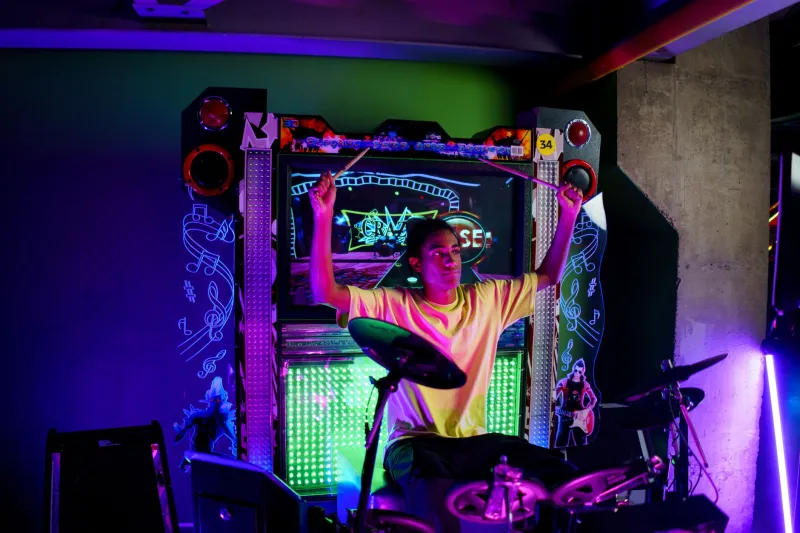
Japanese rhythm machines, Korean crane games, and retro Chinese arcade cabinets are showing up in unexpected corners of American cities — and the crowds showing up to play them are a mix of nostalgic adults and Gen Z kids who've never touched a physical arcade button in their lives. This isn't just nostalgia. It's a full-on cultural movement reshaping how Americans think about social gaming.

Gaming Culture

Games That Actually Let You Breathe: How Asian Developers Cracked the Code on Stress-Free Play

While Western studios keep chasing engagement metrics and dopamine loops, Asian developers have been quietly building games that feel more like a warm bath than a grind. From Japanese cozy sims to Chinese mindfulness titles, a growing number of US players are ditching burnout culture for something that actually respects their headspace.

Gaming Culture

Before the Official Release: The Unsung Translators Keeping Asian Games Alive for US Fans

Thousands of Japanese, Korean, and Chinese games never make it to English-speaking audiences — at least not officially. A dedicated underground of fan translators has been quietly filling that gap for decades, and their work is now so good that major publishers are being forced to pay attention.

Esports

Pixel-Perfect: Why Asian Studios Are Winning the Retro Revival While Everyone Else Fakes It

The retro gaming resurgence of 2026 has a clear winner, and it's not the Western studios churning out lazy HD remasters. Korean pixel artists, Japanese sprite animators, and Chinese 8-bit tributes are delivering nostalgic experiences that feel genuinely authentic — because they actually understand what made those original games matter.

Ride or Die: How Asian Fighting Game Communities Turned a Genre Into a Lifelong Brotherhood
Esports

Ride or Die: How Asian Fighting Game Communities Turned a Genre Into a Lifelong Brotherhood

From cramped Japanese arcades to packed Korean PC bangs, fighting game communities in Asia didn't just build a playerbase — they built a culture that outlasts trends. Now US publishers are finally waking up to what those communities figured out decades ago: loyalty isn't bought, it's earned one match at a time.

Winning Without Buying: How Asian Studios Proved Skill Beats Spending in Competitive Gaming
Gaming Culture

Winning Without Buying: How Asian Studios Proved Skill Beats Spending in Competitive Gaming

Asian game developers have quietly dismantled the pay-to-win playbook by building monetization systems where your wallet funds the cosmetics but your grind funds the victories. Games like Valorant and Honkai: Star Rail are converting hardcore skeptics one free competitive patch at a time — and legacy Western publishers are starting to sweat.