Pocket Power: How Chinese and Asian Handheld Makers Took the Portable Gaming Crown Nobody Was Defending
Somewhere between Nintendo raising Switch game prices and Sony quietly discontinuing the Vita without so much as a farewell tweet, a vacuum opened up in the portable gaming market. And while the big Western console makers were busy arguing about whether $70 was the new normal, a handful of Asian manufacturers were already filling that vacuum — one affordable, feature-packed handheld at a time.
Nobody threw a parade. There was no E3 reveal. But walk into a GameStop or scroll through Amazon's bestseller lists long enough, and you'll find names like Anbernic, Powkiddy, and AYANEO sitting right alongside the usual suspects. That's not an accident. That's a market correction.
The Price Gap That Changed Everything
Let's talk numbers, because the numbers are genuinely wild. A brand-new Nintendo Switch Lite will run you around $200. A Valve Steam Deck — arguably the most hyped handheld of the last few years — starts at $399. Meanwhile, devices like the Anbernic RG35XX or the Powkiddy RGB30 are landing in US hands for $50 to $80, and they're running emulators, indie titles, and classic arcade libraries without breaking a sweat.
At the higher end, Chinese manufacturers like AYANEO and GPD are pushing Windows-based handhelds that match or beat Steam Deck specs at competitive price points, often with better build quality than anyone expected. The AYANEO Air series, for instance, drew genuine admiration from tech reviewers who went in skeptical and came out impressed.
The value proposition isn't just about being cheap. It's about being honest. These devices don't pretend to be something they're not. They're built for people who want to play games on the go without financing a device like it's a used car.
From Gray Market to Main Street
For years, the only way a US gamer could get their hands on one of these handhelds was through AliExpress, sketchy eBay listings, or Reddit rabbit holes that required a certain tolerance for risk. The devices existed in a gray zone — not illegal, not exactly mainstream, just kind of... there, if you knew where to look.
That era is over. Major US retailers started quietly stocking select Asian handheld brands over the past two years, a move that signals something significant: these products have cleared enough quality and liability bars to sit on legitimate shelves. Amazon's direct listings for Anbernic devices now come with Prime shipping and actual customer service. That's a long way from "buy at your own risk" forum posts.
The shift happened partly because demand forced retailers' hands. When a $60 Anbernic unit is consistently outselling mid-tier accessories in the gaming aisle, store buyers notice. Consumers were already voting with their wallets — the stores just finally caught up.
What Nintendo Left on the Table
Here's the uncomfortable truth that Nintendo fans don't love to hear: the company essentially abandoned the budget handheld space when it discontinued the 3DS line and consolidated everything under the Switch umbrella. The 3DS was a flawed but beloved machine that served players who didn't want to spend Switch money. When it went away, those players didn't disappear — they just found other options.
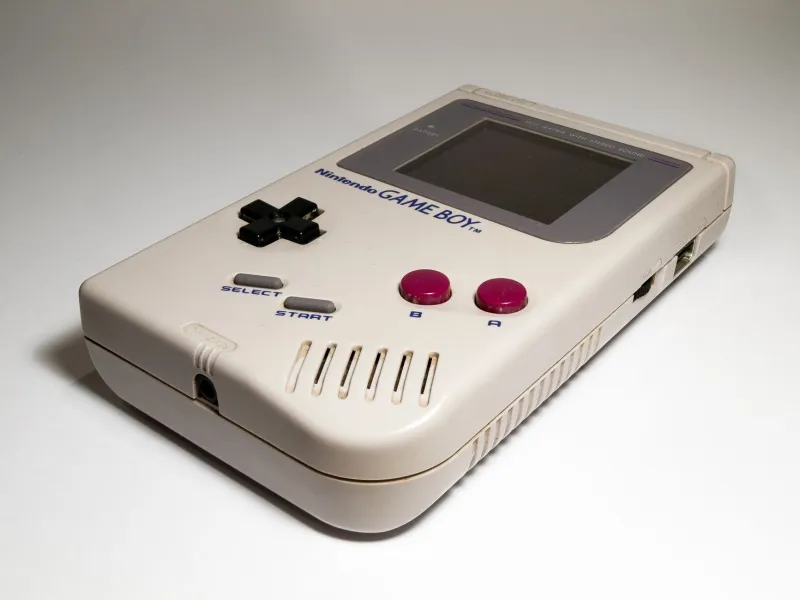
Asian manufacturers were ready. Anbernic in particular built an entire product line around filling the exact hole Nintendo left: small, pocketable devices with long battery life, satisfying d-pads, and enough processing power to run a massive library of retro content. It's not a coincidence that the RG35XX looks almost suspiciously like a Game Boy. The nostalgia is deliberate, and it works.
For players in their 20s and 30s who grew up on Game Boys and DS systems, these devices hit a specific emotional frequency that the Switch — a hybrid home console that happens to be portable — simply doesn't.
The Emulation Elephant in the Room
Yes, a lot of the appeal of budget Asian handhelds is tied to emulation. That's the honest version of this conversation. These devices run classic Nintendo, Sega, PlayStation, and arcade titles through open-source emulators, and the legal gray area around that is real.
But the emulation conversation is more complicated than "this is piracy, full stop." A significant chunk of classic gaming history is commercially unavailable. Nintendo's own Switch Online library is a curated trickle compared to the full catalog of games that exist. When a company doesn't sell you access to its history, players find other ways to access it.
The higher-end Windows-based handhelds from AYANEO and GPD sidestep this entirely — they run Steam libraries, Game Pass via cloud, and indie titles purchased through legitimate storefronts. For those devices, the emulation angle is almost beside the point.
Why This Matters Beyond the Price Tag
The rise of Asian handheld makers is about more than affordable hardware. It's a signal that the traditional console war framing — Sony vs. Microsoft vs. Nintendo, with Western studios orbiting around them — is increasingly outdated.
Asian manufacturers have proven that you don't need a billion-dollar marketing budget or a first-party exclusive library to build a loyal US customer base. You need good hardware, honest pricing, and a community of users who will evangelize for you on Reddit, YouTube, and TikTok for free.
That community is loud, growing, and increasingly influential. Handheld gaming channels on YouTube dedicated to reviewing these devices regularly pull hundreds of thousands of views. The RetroHandheld subreddit has become a genuine hub for enthusiasts who treat these devices with the same passion that console collectors bring to limited-edition PlayStation bundles.
The console wars aren't really over. But the portable chapter? That one's been quietly rewritten, and the authors weren't who anyone expected.