Reset at Midnight, Sleep at Dawn: The Time-Zone Tax Hitting US Players
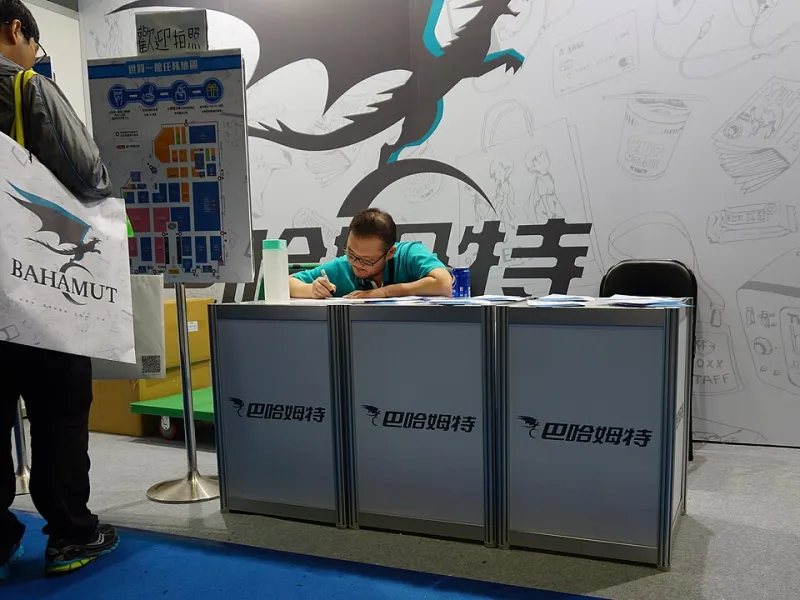
Photo: Solomon203, CC BY-SA 4.0, via Wikimedia Commons
It is 3:02 a.m. in Sacramento, and the phone on the nightstand is buzzing. Not a call. Not a text. A calendar alert labeled reset. The player who set it is not a night-shift worker or an insomniac by choice. They are a US player in a live-service game whose daily clock was designed for Seoul, Tokyo, or Shanghai. The alert is the price of admission.
On paper, global servers erased borders. In practice, they mostly erased the explanation. A studio sets maintenance for its home region, picks an event rollover that fits local prime time, and ships it worldwide. The result is a schedule that asks American players to wake up when their Asian counterparts are logging off. Sometimes that means a 4 a.m. Pacific event start. Sometimes it means a daily reset that lands during the East Coast workday. Either way, the calendar is not neutral.
The Schedule Is Someone Else's Morning
Daily resets are the most visible part. A game might flip its dailies at 4 a.m. server time, which sounds harmless until you convert it. Event starts are worse. A 9 p.m. Seoul guild raid can land at 4 a.m. in California and 7 a.m. in New York. Maintenance windows built for low-traffic hours in Asia can knock US players offline during their evening. None of this is sabotage. It is simply local design exported as global service.
The hidden cost is not just one late night. It is the mental math that never stops. Is the limited event worth waking up for? Will the reward still be there at lunch? Can I claim the daily before work without rushing? Players in Asia get a schedule that matches their day. Players in the US get a puzzle. That puzzle becomes a habit, and habits are hard to cancel.
The Midnight Guild and the 2:45 Discord Check-In
At 2:45 a.m. Eastern, a Discord channel called reset-crew starts filling. People post screenshots of coffee, timers, and bad decisions. Someone asks if the event is worth it. Someone else says yes and no. The ritual matters because the game does not explain itself. The community fills the gap with countdowns, reminders, and a shared sense of absurdity.
These are not all hardcore players. Some are parents who game after the house goes quiet. Some are students. Some are service workers. The schedule forces them into a shared odd hour, and the shared odd hour builds its own culture: spoiler blackouts, split raids, and a running joke about who has the worst time zone. It is community, but it is community built around inconvenience.
The Hidden Tax on Sleep, Work, and Good Sense
The obvious cost is sleep. The less obvious cost is attention. A player who wakes at 3 a.m. for a limited event is not fully present at 9 a.m. for a meeting. A player who stays up for a midnight reset is not fully present for a morning class. The time-zone tax is paid in small installments, and it rarely shows up on a game's roadmap.
There is also the FOMO tax. Limited-time events are designed to create urgency, and urgency is harder to resist when the window is already inconvenient. A player who misses a drop because it happened at 4 a.m. is not lazy. They were asleep. That distinction matters, especially in games that treat attendance as loyalty.
What Developers Could Do Without Breaking the Game
The fix is not as complicated as it sounds. Rolling reset windows, 24-hour claim periods, region-specific event timers, and calendars that display local time by default would all help. Some studios have tested extended claim windows and regional compensation. Others have not. The debate is less about whether American players deserve special treatment than whether a global game should treat time as a feature.
A reset that only works for one region is not global. It is local with a passport. Developers do not need to rebuild their games around US players, but they could stop pretending that a single clock serves everyone equally. The 3 a.m. alarm is a design choice, even when it looks like an accident.
The Reset Is a Choice, but It Should Not Be a Toll
US players will keep setting alarms. They will keep joining midnight guilds and 2:45 a.m. check-ins. That dedication is real, and it is worth respecting. But dedication should not be the only thing holding a global schedule together. A game that asks players to sleep around its clock is asking for more than attention. It is asking for a piece of their day.
The reset is a ritual now. It does not have to be a tax.