Korea's Living Room, Rentable by the Hour: Why PC Bangs Are Outrunning US Esports Lounges
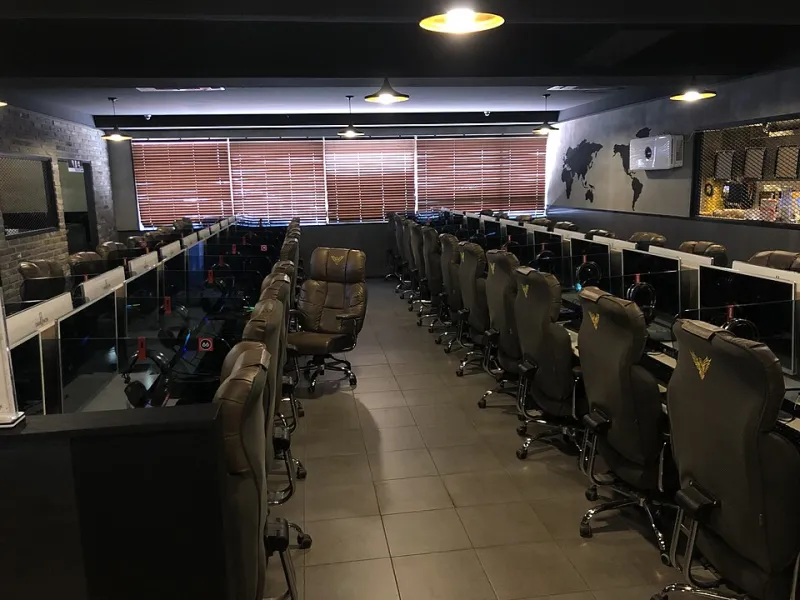
Photo: MatthieuRicard, CC0, via Wikimedia Commons
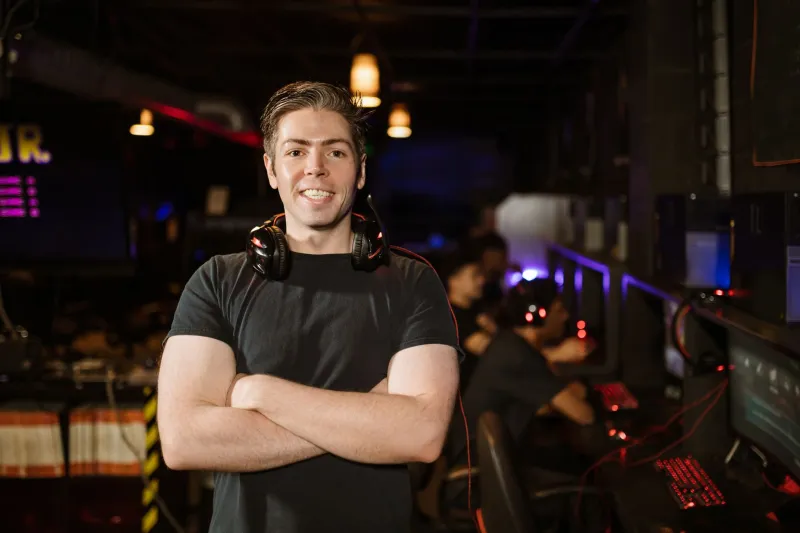
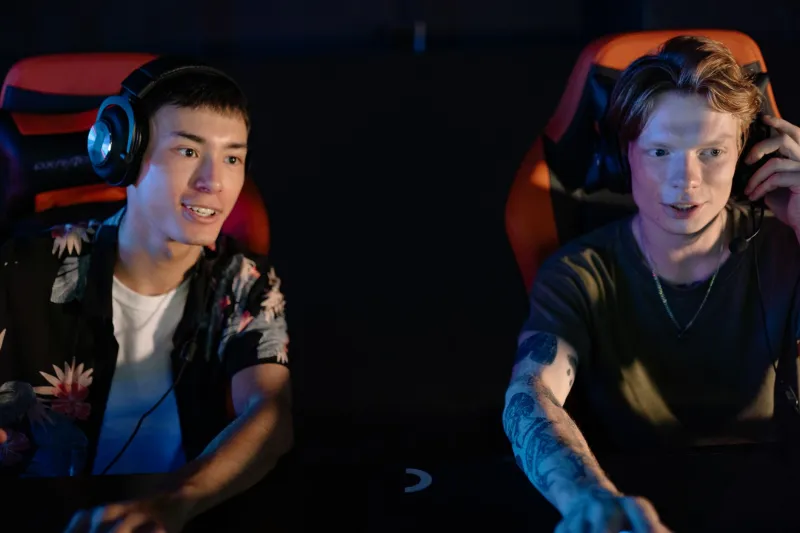
At 11 p.m. on a Friday in Los Angeles, the lights inside a Koreatown PC bang are still bright. A row of curved monitors hums. Someone is eating instant ramen at a counter. Two friends are arguing over a headset. The hourly rate is posted by the door. No membership card. No bottle service. No velvet rope.
That is the first thing a US esports lounge usually gets wrong. It treats the room like a club. The PC bang treats the room like a living room with better hardware. In 2026, that difference is starting to matter in US cities where the esports lounge model has sputtered and the hourly gaming cafe is quietly filling the gap.
What a PC Bang Actually Sells
A Korean PC bang is not a mystery. It sells a chair, a fast PC, reliable internet, food, and time. You pay by the hour. You can stay for a quick match or a long night. The best ones are open 24/7, or close to it. They have staff who keep the room calm, snacks that arrive fast, and rows of machines that are actually maintained.
The social contract is part of the product. Headphones on. Voice low. Clean up your spot. Do not camp on a machine without paying. Regulars know the rhythm. Newcomers learn it in an hour. That contract is why a room full of strangers can feel less chaotic than a US lounge with a membership list and a tournament bracket taped to the wall.
Why US Esports Lounges Stumbled
US esports lounges often sold identity first. Memberships, branded chairs, tournaments, a bar, a stage. Those things cost money, and they need a crowd that shows up on a schedule. When the crowd does not show up, the rent does. A lounge can survive a slow Tuesday if it has food and hourly traffic. It struggles if its business model depends on people treating a weeknight like a playoff final.
PC bangs grew alongside broadband and competitive gaming in Korea in the 1990s and 2000s. They became part of the neighborhood. The US version cannot copy that history overnight, but it can copy the practical parts: low friction, long hours, food service, and a room that works for solo play as well as groups.
The US Remix: Koreatown, Suburbs, and College Towns
The US PC bang remix is showing up in predictable and unpredictable places. Koreatowns in Los Angeles and New Jersey have the cultural groundwork. Dallas and Atlanta have the space and the commute patterns. College towns have the demand and the late-night habits. Suburban strip malls have one thing that downtown esports lounges often lack: parking.
Owners who make it work tend to treat food and hours as core features, not extras. They build relationships with local schools and gaming clubs. They run casual tournament nights that do not require a sponsorship deal. They keep the hourly rate simple. They understand that a PC bang is not competing with a stadium. It is competing with a couch, a headset, and a bad internet connection.
The Social Contract Is the Product
The most underrated part of the PC bang model is etiquette. A good room has a rhythm. Staff set the tone. Regulars reinforce it. That rhythm is harder to build than a hardware spec sheet, and it is harder to copy than a menu. US esports lounges often focus on events and branding. PC bangs focus on the hour-by-hour experience.
That experience is why the model travels. A group of friends can split a few hours without committing to a membership. A solo player can show up, eat, play, and leave. A date can be two people laughing at a co-op game. A birthday can be a row of machines and a round of snacks. Casual social play is not a downgrade from competitive esports. It is the base layer that competitive scenes need.
The Next Block
The PC bang is not a magic formula. Rent is rent. Permits are permits. Food service is work. But the model has one advantage that US esports lounges keep forgetting: it is easy to say yes to. You do not need a membership. You do not need a team. You do not need to know the meta. You need an hour and a few dollars.
In 2026, that is a strong pitch. The next great US gaming space may not look like a stadium. It may look like a bright room above a grocery store, with a ramen menu and a row of monitors that are still warm at midnight.