The Quiet Billions: How Asian Mobile Games Are Outspending Console Titles Right Under Your Nose

Let's talk about a number that doesn't get nearly enough attention. In 2024, mobile games — the majority of which were developed by Asian studios — generated more revenue in the United States than console and PC gaming combined. Not close. Not a squeaker. By a significant margin.
You wouldn't know it from reading most gaming coverage. The discourse is dominated by console releases, PC exclusives, and esports tournaments built around titles that live on high-end hardware. Meanwhile, a quietly enormous economy is humming along on the devices in everyone's pockets, and the architects of that economy are mostly based in China, South Korea, and Japan.
This isn't an accident. It's a system — and once you understand how it works, you'll never look at a free-to-play mobile game the same way again.
How Asian Markets Became the Testing Ground for Everything
Before a single monetization mechanic reaches a US app store, it's almost certainly been stress-tested in Asia. South Korea, China, and Japan represent some of the most competitive and analytically sophisticated mobile gaming markets on the planet. Players there are experienced, demanding, and willing to spend — but only on systems that feel fair and rewarding enough to justify the investment.
What that environment produced, over roughly fifteen years of iteration, is a set of monetization philosophies that are extraordinarily good at converting casual players into paying ones. Battle passes. Gacha mechanics. Limited-time events. Stamina systems. Seasonal cosmetics. All of it was refined in Asian markets before being packaged and shipped to Western audiences.
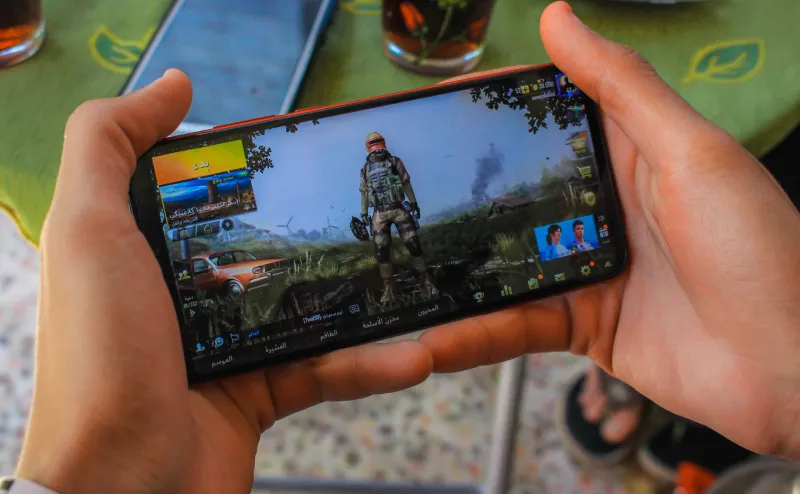
When a game like Genshin Impact or Honor of Kings or PUBG Mobile lands in the US App Store, it isn't arriving as an experiment. It's arriving as a mature product backed by years of behavioral data and psychological design research that most Western mobile studios simply don't have.
The Mechanics That Make the Money
Let's get specific, because the details matter here.
The gacha system — a pull-based randomized reward mechanic with roots in Japanese capsule toy vending machines — is the cornerstone of many top-grossing Asian mobile games in the US. The design is engineered around variable reward schedules, the same psychological principle that makes slot machines compelling. You know the odds are low. You pull anyway. And the game is very, very good at making you feel like the next pull could be the one.
But calling it just a slot machine undersells the sophistication. Modern gacha systems in games like Genshin Impact layer in pity systems (guaranteed rare pulls after a set number of attempts), limited-time characters that create genuine urgency, and narrative investment in the characters themselves that makes spending feel emotionally meaningful rather than purely transactional. You're not just buying a random item. You're trying to get a specific character you're already attached to. That's a completely different psychological proposition.
Battle passes are the other major engine. Originally popularized in the West by Fortnite, the format was actually iterated and refined in Asian mobile markets in parallel, and the versions that appear in Asian-developed games tend to be more generous in structure while still driving consistent monthly revenue. The trick is making the pass feel like a deal — and Asian studios have gotten very good at that framing.
Live-Service Design as a Retention Science
Beyond individual mechanics, what separates the top Asian mobile titles in the US market is their approach to live-service design. These aren't games that ship and sit. They're living products with content calendars that run years out, seasonal events tied to real-world holidays and cultural moments, and community management strategies that keep player bases engaged between major updates.
This is where the gap between Asian mobile studios and their Western counterparts becomes most visible. A game like Fate/Grand Order has been running a continuous live-service operation for nearly a decade. The infrastructure, the pacing, the community relationships — it's a level of operational maturity that takes years to build and can't be easily replicated by a studio that just decided to enter the mobile market.
For US players, this translates to a consistently high-quality ongoing experience that keeps them logging in and, critically, keeps them spending. The average revenue per paying user in the top Asian mobile titles running in the US is genuinely eye-opening compared to what console games extract from their audiences through DLC and expansions.
The Media Coverage Gap
Here's a frustrating reality: despite generating more revenue than console gaming in the US, Asian mobile games receive a fraction of the mainstream gaming media coverage. Reviews are sparse. Esports coverage for mobile titles, even massive ones like Mobile Legends or PUBG Mobile, is treated as a niche interest despite audience numbers that rival major PC esports events.
The gap is partly cultural — gaming journalism in the US grew up covering console and PC titles, and the editorial instincts of most major outlets still reflect that history. But it's also partly a deliberate blind spot. The monetization models in Asian mobile games make some outlets uncomfortable, and covering them seriously would require engaging with player spending habits in ways that feel less glamorous than reviewing the next big console release.
For the tens of millions of US players spending real money in these games every month, that coverage gap means they're navigating a massive economic ecosystem with almost no mainstream guidance. TydoPlay exists, in part, to close that gap — to take Asian-developed games seriously as the cultural and commercial force they actually are, not the footnote that legacy gaming media treats them as.
What Comes Next
The mobile gaming economy built by Asian studios isn't slowing down. If anything, the integration of these monetization models into PC and console gaming — through titles like Genshin Impact, which runs on PlayStation and PC as well as mobile — suggests the influence is spreading upward through the market, not just staying contained to phones.
Western studios are already borrowing heavily from the playbook. The battle passes in Call of Duty and Fortnite owe significant debts to systems that were refined in Asian mobile markets first. The question isn't whether these mechanics will continue to shape how US gamers spend money. They already do, and they will more so. The question is whether the players on the receiving end understand the system well enough to engage with it on their own terms.
Knowledge is the only real advantage you have. Start here.