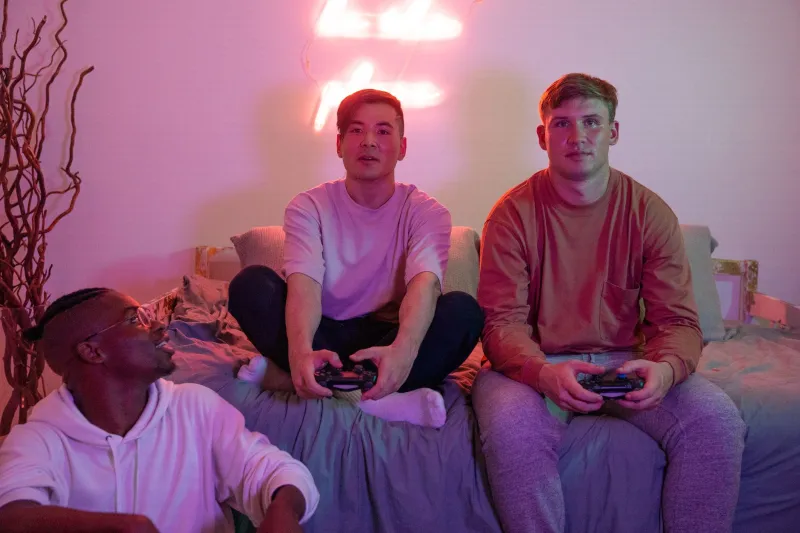
The Japanese Takeover: How Asia's Battle Royale Scene Is Rewriting US Esports in 2024
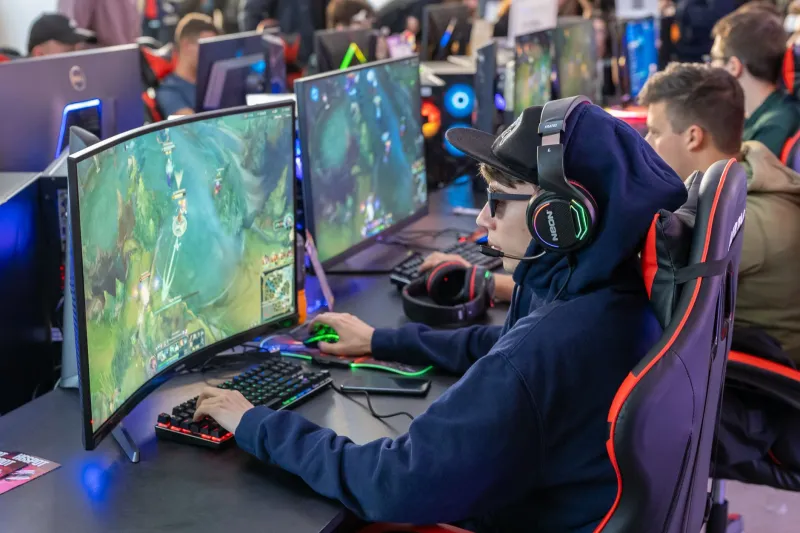
If you'd told a Call of Duty player back in 2019 that Japanese battle royale titles would be filling US esports arenas and dominating Twitch top charts by 2024, they probably would've laughed. Fast forward to today, and that laugh is looking pretty awkward. Asian-developed battle royales — particularly those coming out of Japan — have quietly (and then very loudly) carved out a massive slice of the American competitive gaming pie. TydoPlay has been watching this shift from the front row, and honestly? We're not surprised one bit.
What Makes Japanese Battle Royales Different?
Let's start with the obvious: the feel. Anyone who has dropped into a Japanese-developed battle royale knows within the first ten minutes that something is fundamentally different from the Western formula. Where American-made titles tend to lean hard into hyper-realism or cinematic grit, Japanese developers bring an almost obsessive attention to game feel — the way a character moves, the weight of each action, the satisfying crunch of a well-timed ability.
Take the movement systems, for example. Japanese studios have long specialized in character action games, and that DNA bleeds directly into their battle royale designs. Players aren't just running and gunning — they're threading through environments with fluid, expressive movement that feels more like an anime sequence than a military sim. Pro player Marcus "Volt" Henley, who competed in several major US Apex circuits before transitioning to newer Asian titles, put it plainly: "Once you get used to the mobility in these games, going back to something slower feels like you're playing in mud."
Then there's the art direction. Western battle royales have largely defaulted to either gritty realism or cartoonish color palettes (looking at you, Fortnite). Japanese titles tend to occupy a bold middle ground — stylized, deeply detailed, and visually cohesive in ways that make every match feel like you're playing inside a living piece of concept art. These aren't just games; they're aesthetic experiences, and that matters enormously to a US streaming audience that values content that looks good on camera.
The Streaming Effect: Numbers Don't Lie
Here's where things get really interesting. Streaming viewership data from 2024 tells a story that major publishers are paying very close attention to. Several Japanese-developed battle royale titles have posted viewer-hour numbers that rival — and in some weekend tournament windows, exceed — legacy Western titles on both Twitch and YouTube Gaming.
The reasons are layered. Japanese games tend to feature deep character rosters with distinct personalities, backstories, and visual identities. That's streamer gold. When a content creator mains a specific character, they're not just playing a game — they're building a persona around that character. Fans follow specific streamers because of their character loyalty, which creates a kind of parasocial ecosystem that Western battle royales, with their more anonymous player models, have struggled to replicate.
Add to that the clip culture factor. Japanese battle royales are engineered — whether intentionally or not — to produce highlight-reel moments. The combination of expressive abilities, fast pacing, and dramatic visual effects means that every session is a potential viral clip. For US streamers whose livelihood depends on shareable content, that's not a small thing.
Community Engagement Done Right
Japanese publishers have also been savvy about how they engage the US market specifically. Rather than treating North America as a secondary region, top-tier Japanese studios have invested in English-language community managers, US-based tournament organizers, and collaboration events with American pop culture properties. Seasonal events tied to Western holidays, crossover skins featuring characters from US entertainment franchises, and English-dubbed story content have all helped these titles feel less like imports and more like homegrown experiences.
"The localization effort is genuinely impressive," noted esports journalist and analyst Priya Caldwell during a recent panel discussion. "These aren't just translated games — they're culturally adapted experiences. There's a reason US players feel ownership over them."
Grassroots community building has also played a huge role. Japanese battle royale communities on Discord, Reddit, and X (formerly Twitter) tend to be exceptionally organized, with fan-run tournaments, content creation hubs, and active developer communication feeding a sense of investment that keeps players around long after the initial hype cycle fades.
Which Asian Title Could Be the Next Fortnite?
Everybody wants to know: who's the next one to blow up? Based on what TydoPlay has been tracking, a few titles deserve serious attention from American players and investors alike.
First, keep your eyes on games coming out of studios with strong anime IP backgrounds. The crossover between established anime fanbases and battle royale mechanics is proving to be a rocket fuel combination — instant built-in audience, instant cultural cachet, instant streaming appeal.
Second, watch the mobile-to-console pipeline. Several Japanese mobile battle royales with enormous Asian player bases are in various stages of console and PC port development. When those drop in the US with proper marketing support, they could move fast.
Third, pay attention to which titles are getting esports infrastructure investment. When a Japanese publisher starts setting up dedicated US server infrastructure, partnering with American esports organizations, and offering prize pools in USD, that's a signal they're serious about the market — and serious titles attract serious players.
The Bigger Picture
What's happening in US competitive gaming right now isn't just a trend — it's a structural shift. American players have proven they're not loyal to geography; they're loyal to quality, style, and community. Japanese developers, drawing on decades of game design excellence, have delivered all three in spades.
For those of us at TydoPlay who've been championing Asian gaming content for US audiences, this moment feels like a long time coming. The question isn't whether Japanese battle royales will continue to grow in American esports — it's how dominant they'll become. Based on everything we're seeing, the ceiling is a lot higher than most Western publishers are comfortable admitting.
Stay locked in. The best drops are still ahead.