Fast Fingers, Faster Streams: How Asian Speedrun Culture Took Over Twitch and Left Western Streamers Scrambling to Keep Up
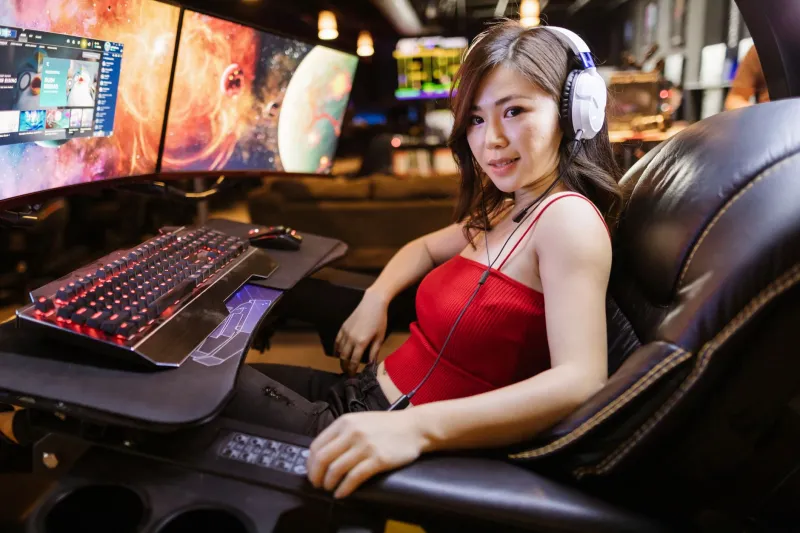
If you've spent any meaningful time on Twitch lately, you've probably noticed something shifting. The loud, reaction-heavy "just chatting" streams are still there, sure — but the numbers? The actual concurrent viewers and clip virality? Those are increasingly flowing toward something tighter, more technical, and honestly more electric: speedrunning and precision gameplay, a content style with deep roots in Asian gaming culture.
This isn't a coincidence. It's the result of years of cross-cultural influence finally hitting a tipping point on the world's biggest live streaming platform.
Where It All Started: The Asian Precision Gaming Tradition
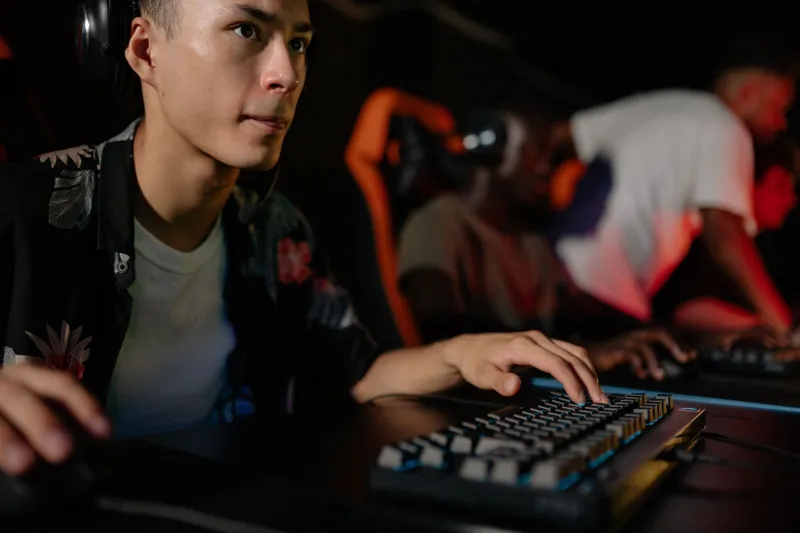
To understand why this is happening now, you have to rewind a bit. In South Korea, Japan, and China, competitive gaming has always carried a different weight than it did in the West. Korean PC bangs in the late '90s and early 2000s weren't just hangout spots — they were training grounds where players logged insane hours grinding mechanics that most Western gamers hadn't even considered optimizable. Japanese arcade culture, meanwhile, built entire communities around frame-perfect play in fighting games and shoot-'em-ups. Players like Daigo Umehara weren't just competitors; they were folk heroes.
That culture of technical mastery translated directly into speedrunning communities. Japanese runners in particular became legendary in the global speedrun scene. Games like Dark Souls, Sekiro, Monster Hunter, and Hollow Knight — many of them either Japanese-developed or deeply influenced by Japanese design philosophy — dominate the top categories on Speedrun.com. And when those runs started getting streamed, audiences noticed.
The Numbers Don't Lie
Look at any given week on Twitch's trending game categories and you'll find a consistent pattern: high-skill, precision-driven titles are pulling viewership that would have seemed impossible five years ago. Elden Ring speedrun streams regularly hit five-figure concurrent viewers. Final Fantasy any-percent runs trend during Games Done Quick marathons. Even niche Japanese titles like Touhou Project have developed loyal Twitch audiences in the US.
Games Done Quick — the twice-yearly speedrun charity marathon — has become one of Twitch's most-watched recurring events, routinely raising millions of dollars while showcasing runners from Japan, South Korea, and across Asia. The 2023 Summer Games Done Quick pulled in peak viewership numbers that rivaled major esports broadcasts. That's not a fluke; that's an audience that has developed a genuine appetite for this style of content.
The Streamers Leading the Charge
A handful of Asian and Asian-American streamers have become the architects of this new Twitch meta. Korean streamer and Elden Ring specialist Distortion2 built a massive following by combining elite-level play with genuinely entertaining commentary. Japanese runner Hazeblade has become a fixture in the Hollow Knight community. Meanwhile, Chinese streaming platforms like Bilibili have been exporting their own speedrun content stars to Western audiences through YouTube clips and Twitter highlights, creating a pipeline of viral moments that funnel curious viewers toward Twitch.
What makes these streams compelling isn't just the speed — it's the transparency. Asian speedrun culture has always emphasized community knowledge-sharing. Runners explain their routing decisions, break down glitch mechanics, and treat their chat like collaborators rather than just an audience. That interactivity is exactly what Twitch's format rewards, and Western viewers are eating it up.
Western Streamers Are Absolutely Taking Notes
Here's where it gets interesting for the broader streaming landscape: American and European streamers who built their brands on personality-driven content are now pivoting hard toward technical gameplay. You can see it in the way streamers like xQc or Pokimane have incorporated challenge runs and precision-focused content into their rotation. Even massively popular variety streamers are dedicating more airtime to games with deep mechanical systems — and framing that content in ways that feel borrowed directly from Asian streaming sensibilities.
The "challenge run" format — no-hit runs, low-level runs, self-imposed restriction runs — is essentially Western streamers repackaging the Asian speedrun philosophy into something that fits their existing audience. It's flattery through imitation, and it's working.
Platform algorithms are reinforcing this shift too. Twitch's clip system and highlight culture naturally favor dramatic, high-stakes moments — exactly the kind of content that precision gameplay generates. A frame-perfect dodge or a sub-second split in a speedrun creates the kind of shareable moment that a chill "just chatting" stream almost never produces.
What This Means Going Forward
The influence isn't slowing down. As more Asian-developed games enter the Western market — and as the speedrunning community continues to grow its US fanbase — the Twitch meta is going to keep shifting toward technical, skill-forward content. Game developers are already responding: titles like Lies of P and Hi-Fi Rush were clearly designed with the kind of precise, replayable mechanics that speedrun communities love.
For American gamers watching this unfold, the takeaway is pretty straightforward: the streamers who are going to dominate Twitch over the next few years aren't necessarily the funniest or the most charismatic. They're going to be the ones who put in the work to actually get good — and then make that mastery look entertaining.
Asian gaming culture figured that out decades ago. The rest of the platform is just catching up.